
Riding tips: Sounding Off About Wind Noise
Wind rushing under your wheels and around your head is one of the greatest sensations when riding a motorcycle, but it’s important to take steps to protect your hearing.
Many motorcyclists will have heard the phrase “brothers and sisters in the wind”, which encapsulates the shared experience of embracing the elements together. Wind represents freedom and adventure on the open road and is considered a key part of the riding experience. It can also pose challenges, including an issue that isn’t talked about a lot: noise-induced hearing loss (NIHL). While NIHL can be caused by a single loud sound event such as an explosion, research by the National Institute of Occupational Safety and Health reveals that most workplace hearing loss occurs over time due to prolonged and repeated exposure to elevated sound levels, which motorcyclists can experience.
Damaging Decibels
We’re born with thousands of tiny hairs deep within our ears that vibrate in response to sound waves, converting the mechanical energy of sound into electrical impulses that are carried to the brain via the auditor nerve. Sound intensity is measured in decibels (dB), and sounds at or above 85 dB can damage these hairs, leading to hearing loss. For context, a normal conversation is 60-70 dB and at the top end of the scale is a fireworks show at 140-160 dB. Riding a motorcycle at highway speeds typically exposes unmuffled ears to more than 100 dB, and depending upon speed, it can be as high as 110 dB. While it’s true that exhaust, machine, and road noise are the predominant sources of sound below 40 mph, the biggest source of noise that motorcyclists experience is wind rushing around us.
The Simple Solution
The good news is that wind-associated hearing loss can be prevented easily and inexpensively by wearing earplugs. There are lots of options available, such as foam, noise-cancelling and filtered. Most disposable foam earplugs carry a Noise Reduction Rating (NRR) of 30-32 dB, which is exactly the attenuation needed to bring the 105-110 dB sound of riding at highway speeds down to the 80 dB level that won’t damage hearing. Noise-cancelling earplugs block out harmful sounds while allowing the wearer to hear conversation, important bike noises and sirens, and filtered earplugs reduce certain sound frequencies. Custom-molded earplugs are also an option. Usually made from medical-grade silicone, they’re fitted by an audiologist and are the correct size for your ear canal. Whatever type you choose, they should sit in your ears properly and be comfortable to wear with whatever helmet you use.
Some riders are skeptical about wearing earplugs, their main concern being unable to hear their bike’s engine, surrounding traffic, and other cues about what’s occurring in their riding environment. The fact is that earplugs don’t produce silence, they simply quiet the sounds that do reach you. You will still hear engine RPM, passing cars, and horns while wearing them. In fact, most riders agree that earplugs reduce background noise (e.g., wind) so well that they can hear what truly matters better. A secondary benefit might even be more important than hearing preservation: reduced fatigue. Research has shown that excessive and/or prolonged noise can elevate your heart rate, elicit fatigue and anxiety, increase muscle tension and blood pressure, and intensify the likelihood of accidents.
Still skeptical? Try them on a ride, preferably one that lasts for at least an hour, then be the judge. More than just preserving your hearing, earplugs can help you to be a more relaxed, concentrated rider. That’s music to the ears of any motorcyclist who wants to make it safely to their destination.
Know The State Law
How’s this for a quandary: If we ride without earplugs, we risk permanent damage to our hearing, but in some states riding with earplugs risks breaking the law. According to the American Motorcyclist Association (AMA), the majority of states have no restrictions on earplugs. However, several states do have hearing-impairment laws, which make earplugs illegal, or cast them into the murky waters of lawful interpretation. For instance, in California you can’t use earplugs in both ears, and in Maryland you can only wear custom-molded earplugs. The safest thing to do is to check before you travel. Visit dmv.org or americanmotorcyclist.com.
Tags:
Read more tales from the Harley Owners Group!
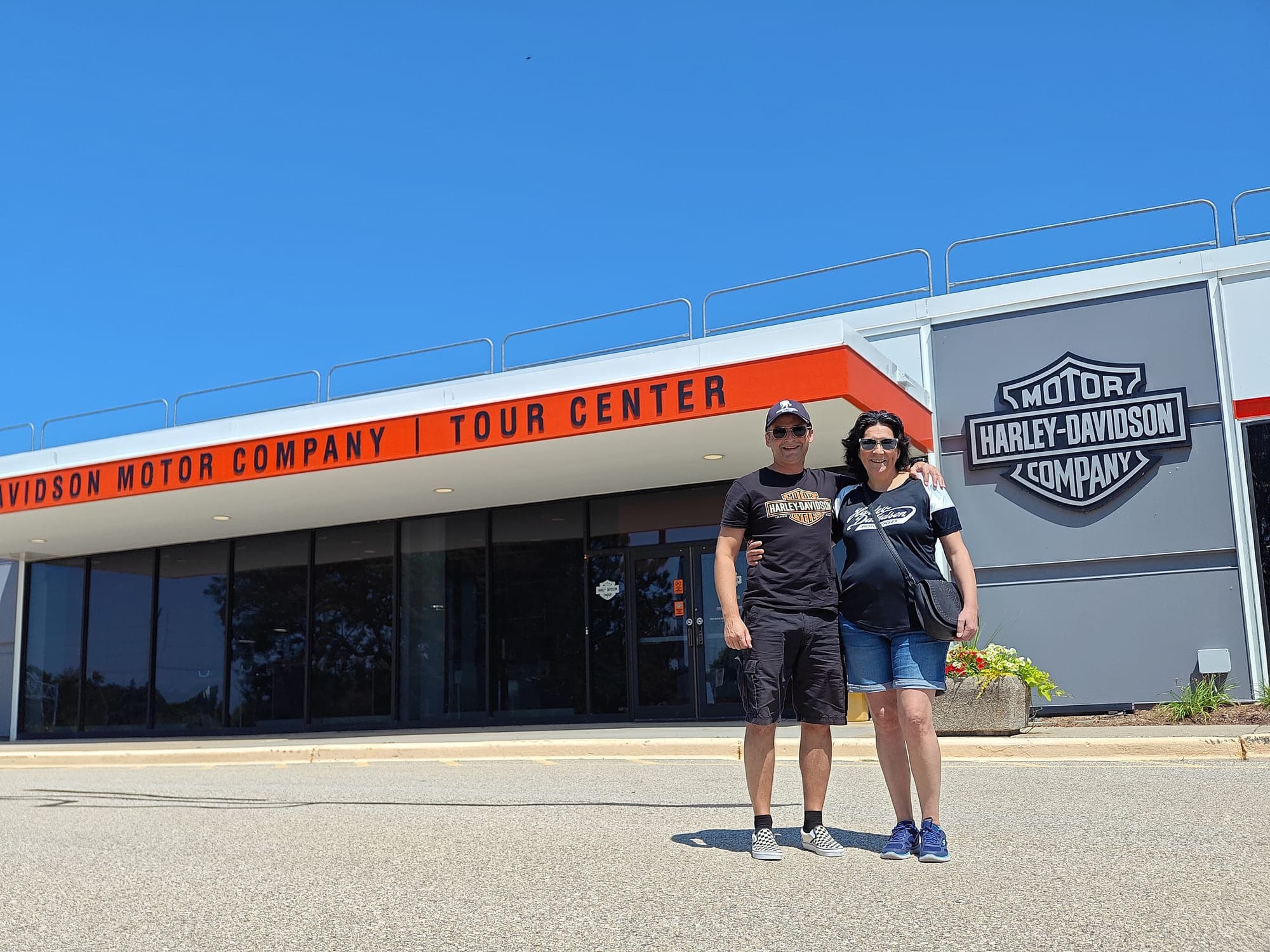
Realising the dream of visiting the Harley-Davidson Museum in Milwaukee
A couple from Burgos achieved a lifelong dream by making the pilgrimage to the Harley-Davidson Museum in Milwaukee.
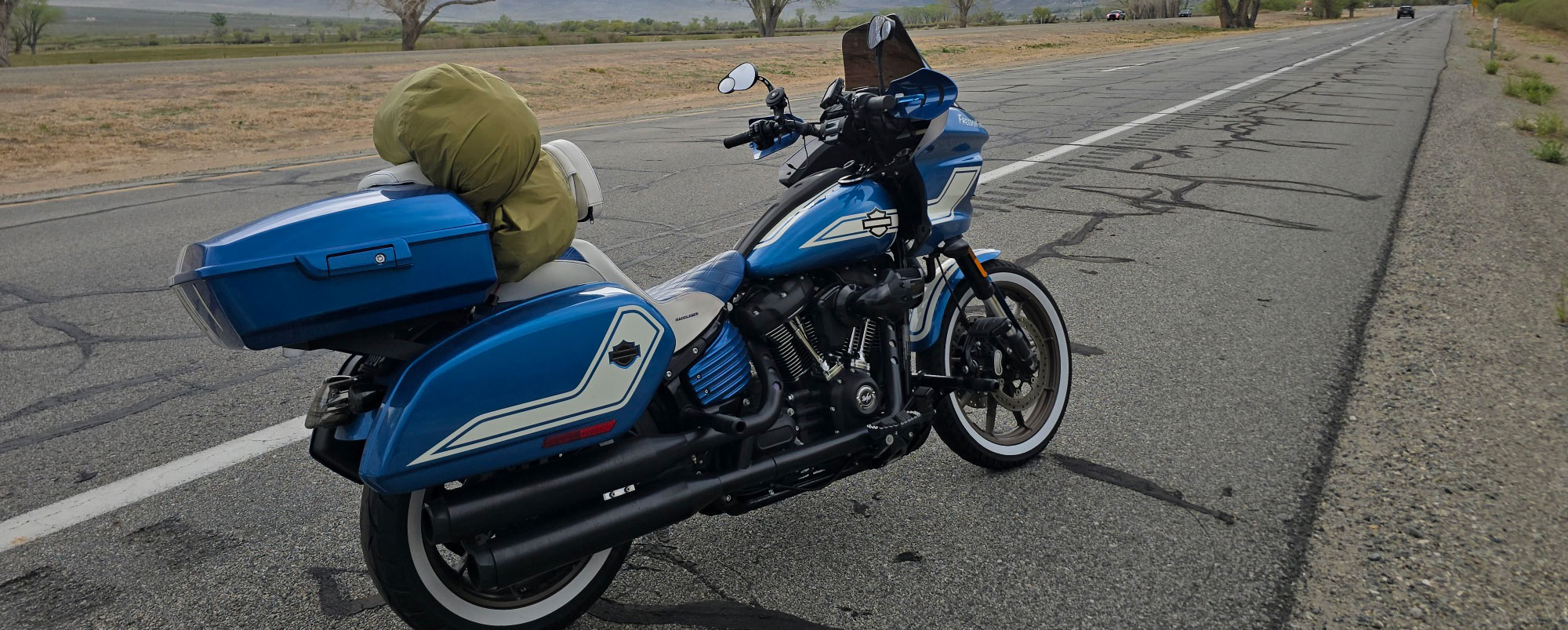
Taking the long way around…
A trip to see old friends turned into an epic trip across the country for Harley Owners Group member Arnold Evanson.
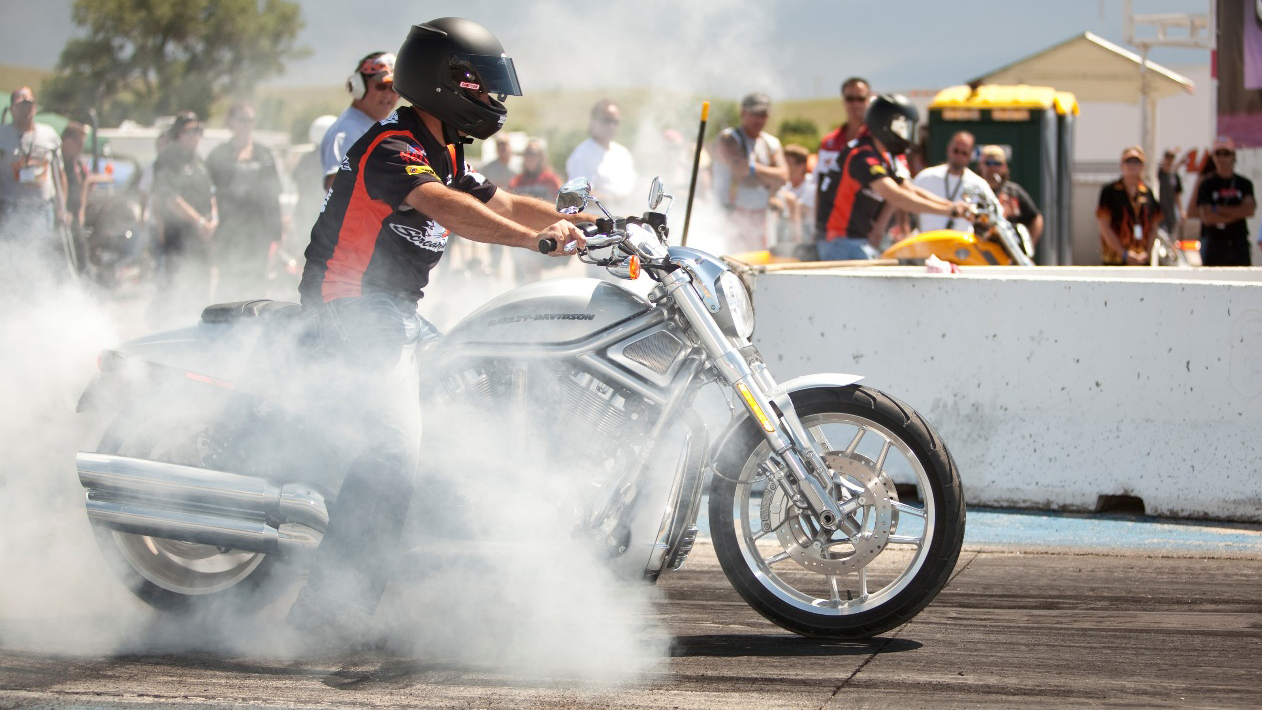
Harley-Davidson’s racing history: Part two
In this second round-up of highlights from the Motor Company’s racing history, we meet some new rising stars who carry the brand’s success into the 21st century.