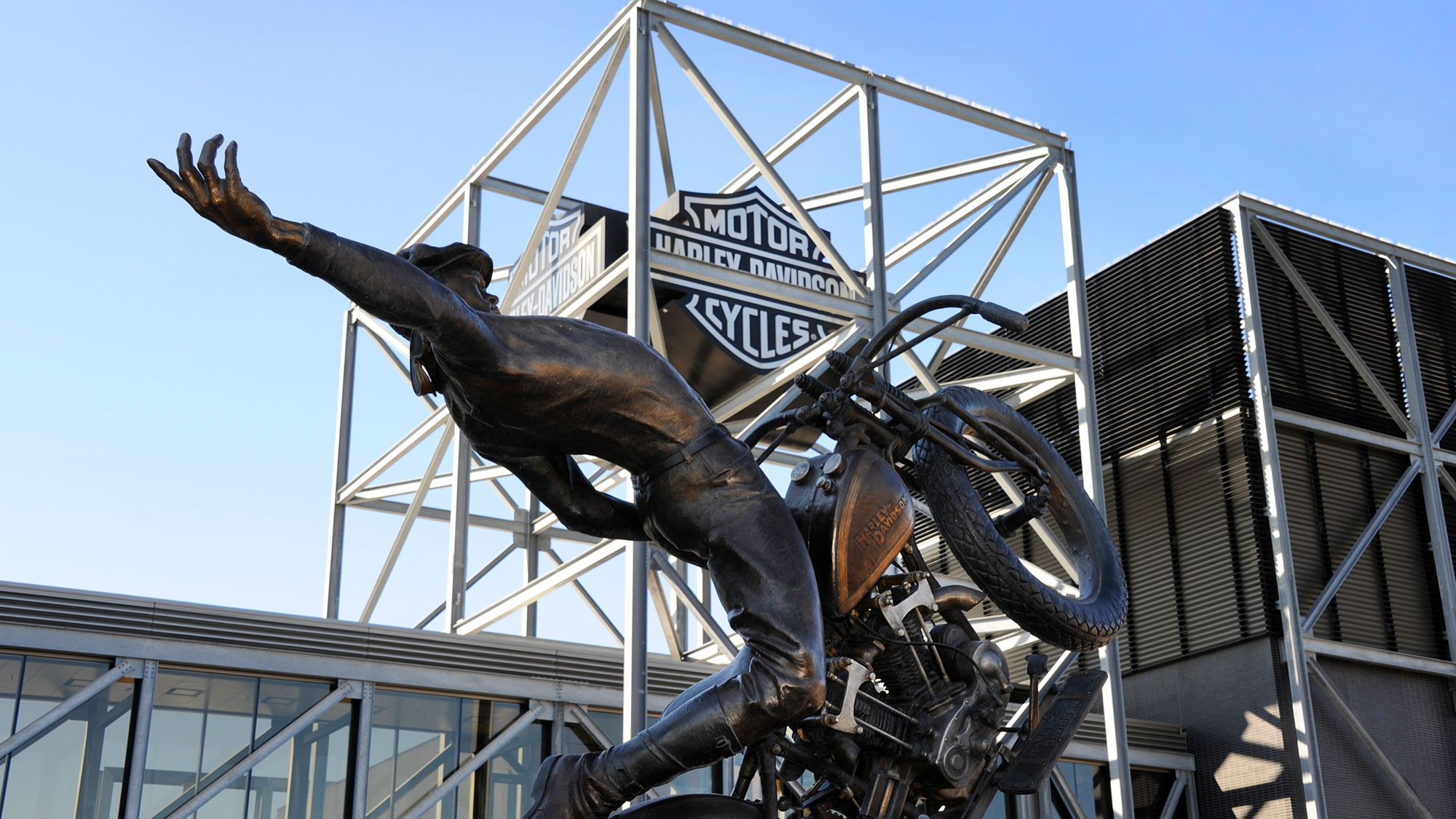
Looking back at 17 years of the Harley-Davidson Museum
The Harley-Davidson Museum™ is a must-see for anyone planning a trip to the home of the Motor Company. Now 17 years old, we look back at how far it has come
Words: David Kreidler, Exhibits Curator, Harley-Davidson Museum
When it comes to Harley-Davidson’s historic collection, its history (ironically) is a bit of a mystery. Around 1919, the company’s founders asked for one new bike a year to be saved and put into storage, starting a tradition that carries on to this day.
But the collection is more than motorcycles – it includes thousands of small artifacts and paper records, too. Who saved these and why? It’s unknown whether one person made a conscious decision to save the material, if it was started by many people in various departments, or if it happened because the Motor Company literally never left its original brick factory on Juneau Avenue in Milwaukee, Wisconsin.
What is known is this: it is an astoundingly complete collection, giving insights into Harley-Davidson from its earliest days to the present.
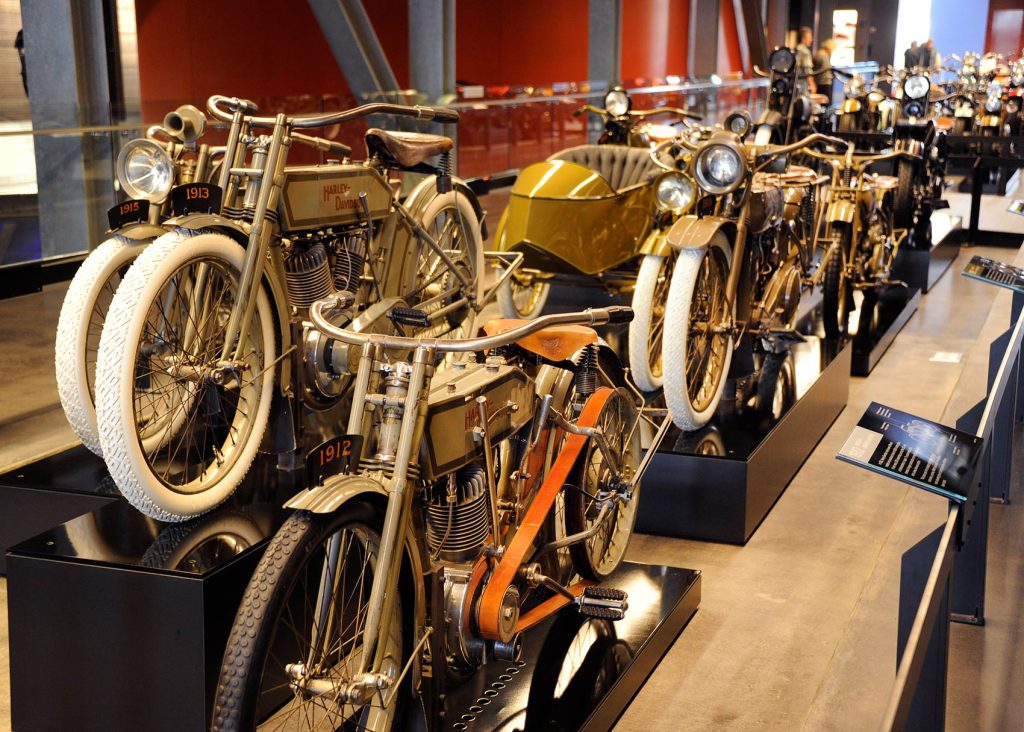
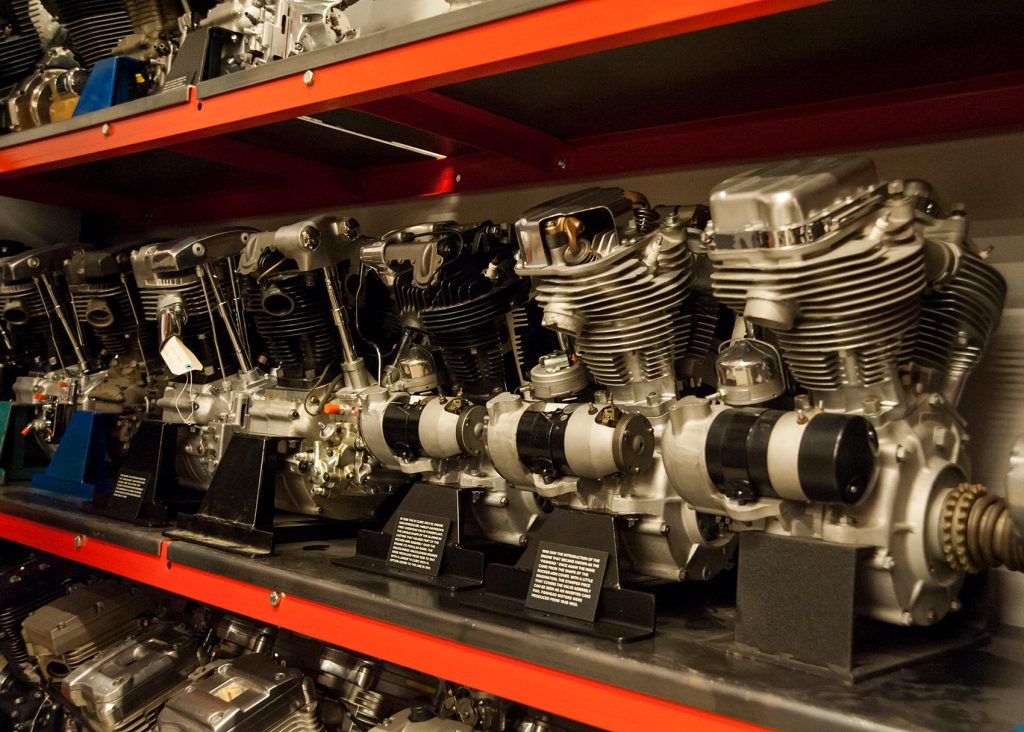
Whatever its origins, the bike collection has had a transient existence, at one point split between Milwaukee and the York Factory in Pennsylvania. Apart from being on display in York for several years, almost all of it – bikes, smaller artifacts and documents – was hidden away behind lock and key. Few Harley-Davidson employees ever viewed the breadth of the collection.
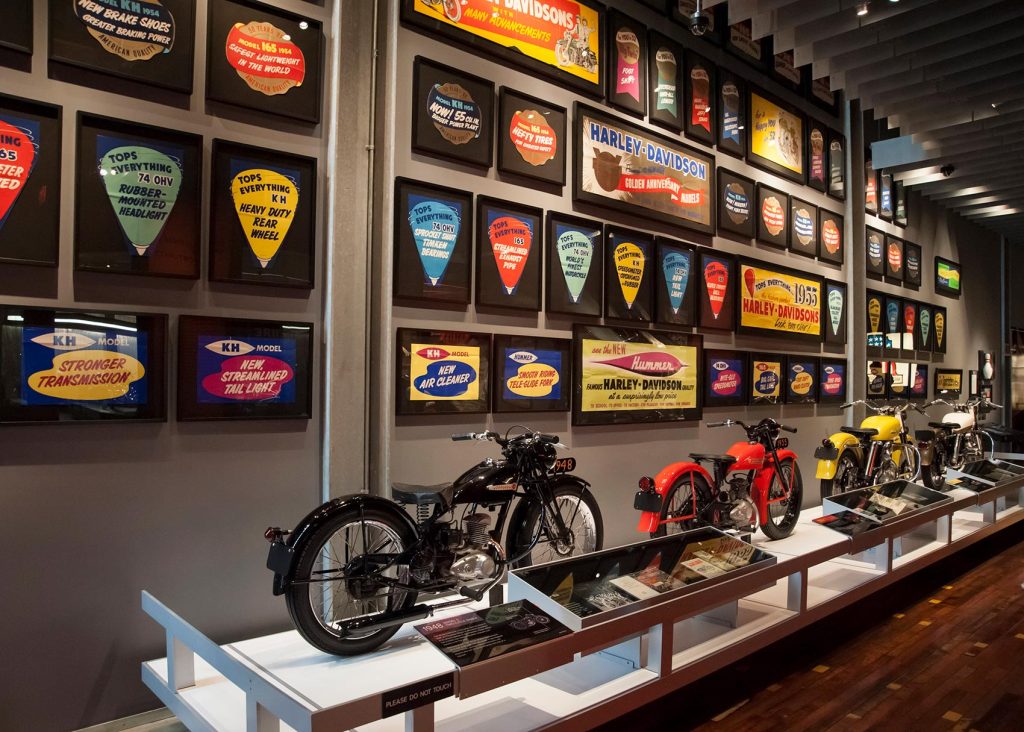
That changed in the mid-1990s, when the archives were started and all material started to be gathered and organized. Information in the collection was made more accessible to employees to help them in their day-to-day jobs. Engineers, marketing, legal, licensing and apparel, and other departments soon had greater access to the materials.
A few years later, in the run-up to its 100th anniversary, the Motor Company began to seriously explore opening a museum. Opening a museum that breaks a paradigm is no easy feat. Most motorcycle collections – no matter how fantastic – cater to enthusiasts who don’t need help understanding how awesome it is to see an original 1936 Harley-Davidson® EL (also known as the Knucklehead) with 100 miles on the odometer. They don’t need it to be put in context because they already know the story.
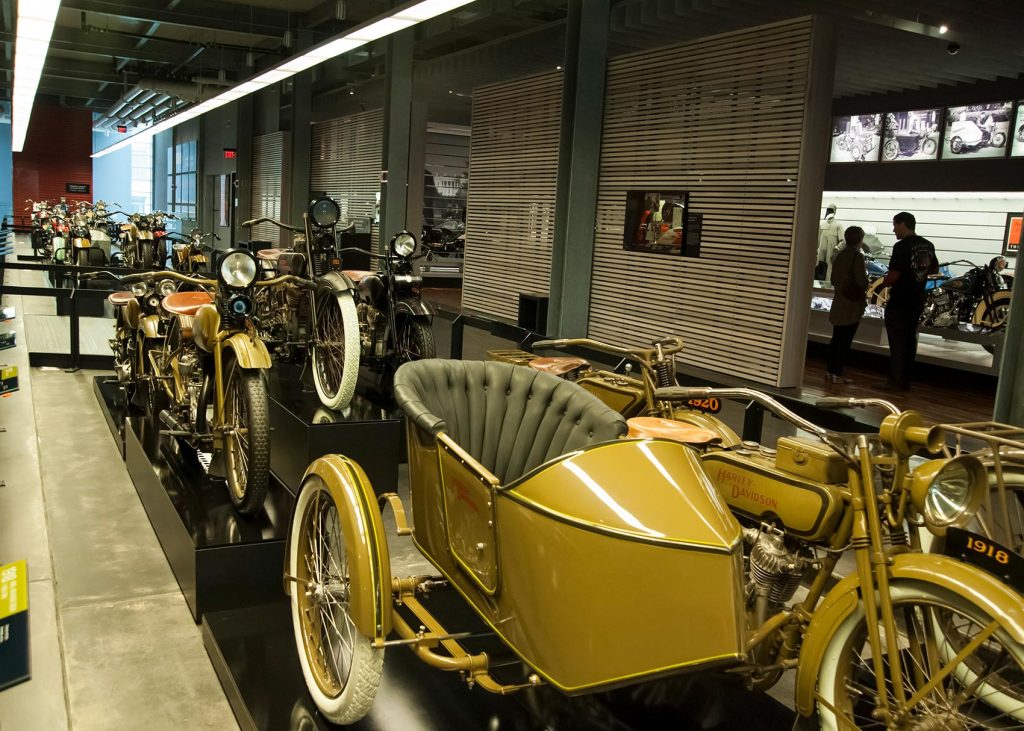
Harley-Davidson didn’t want to make a museum just for the enthusiasts. The Motor Company wanted a place for people with a wide variety of interests to visit, enjoy and connect with H-D history. Therefore, when the original curatorial team worked on the first exhibits, they focused on the people of Harley-Davidson. Bikes, like the historic 1903 Serial Number One, were put into the context of their time.
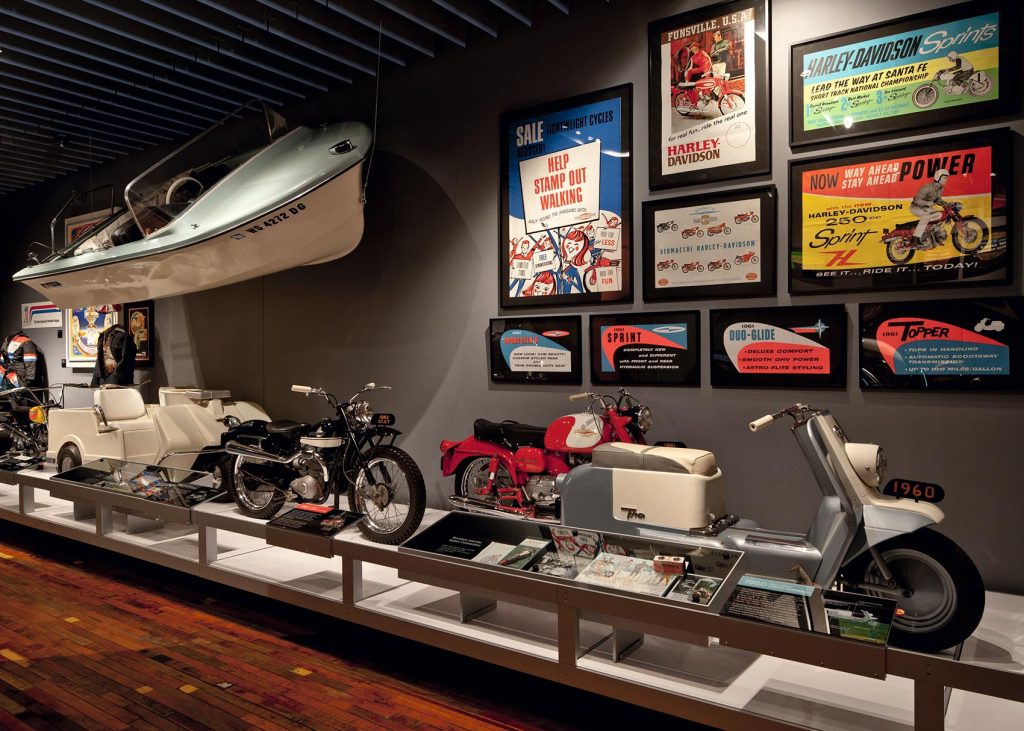
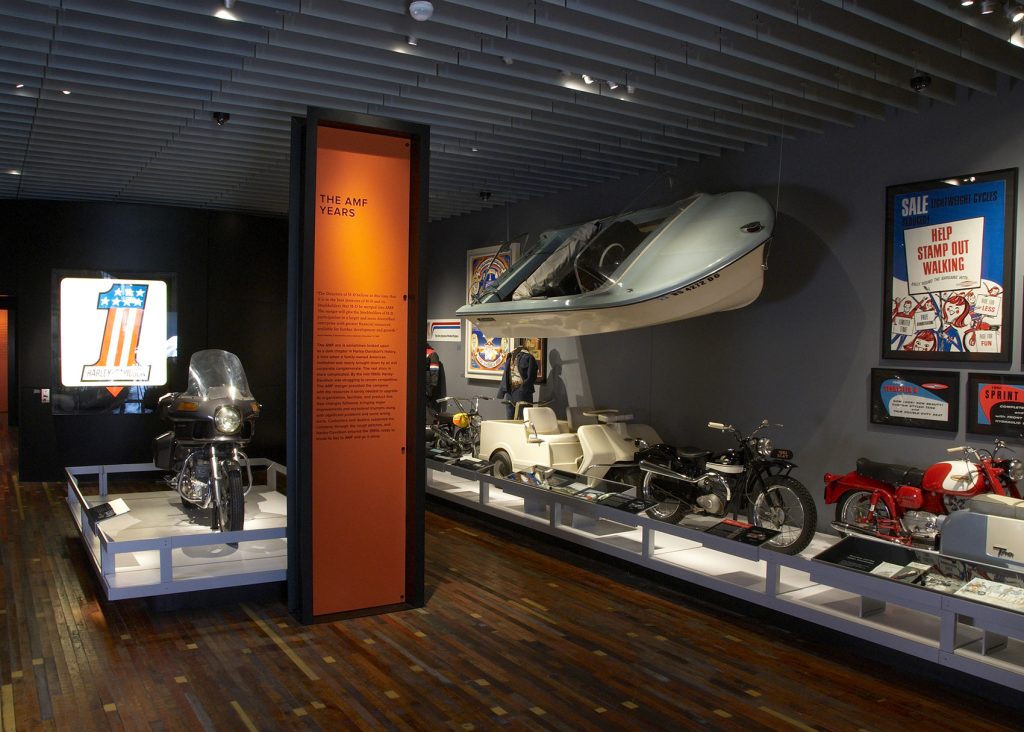
Other times, the curators chose unusual stories from Harley history. For instance, did you know Harley-Davidson was once a leader in the golf cart industry, or that it once manufactured a boat and snowmobile? For guests who didn’t, the part of the exhibit that houses these curiosities offers a delightful and memorable surprise.
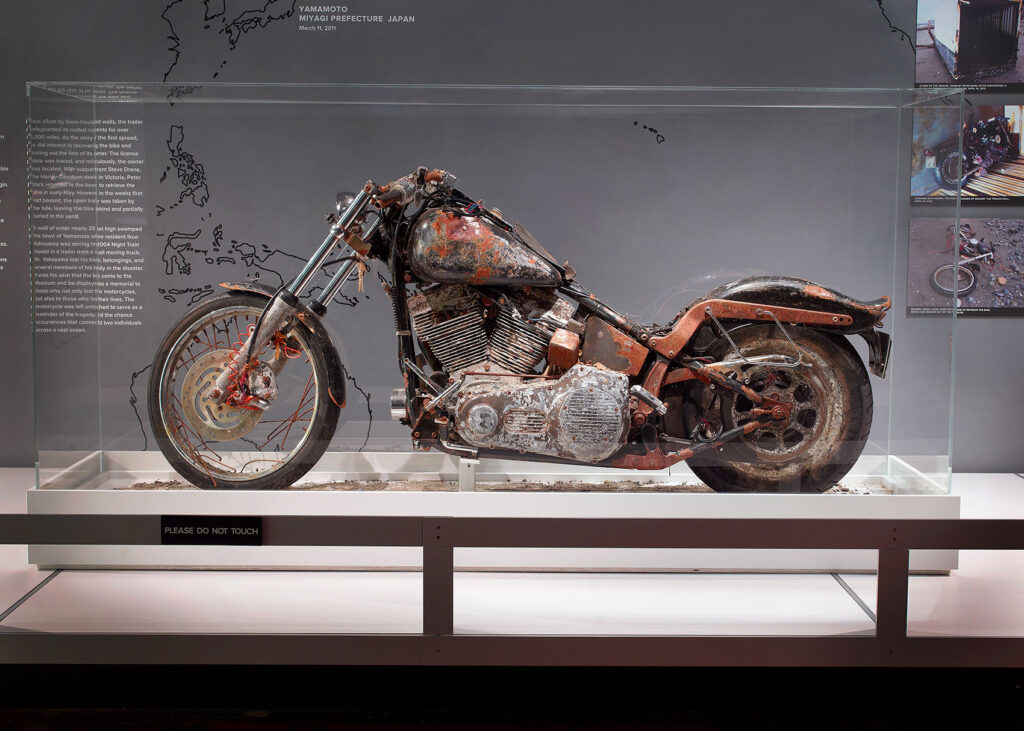
Other accounts came about by chance. A storage container holding a 2004 Harley-Davidson Softail® Night Train® washed out to sea when the earthquake and tsunami devastated Japan in 2011. It didn’t sink. Instead, the container was swept along for more than 6,500 kilometres until it washed up on a beach in Haida Gwaii, B.C., a year later. The owner, who survived the disaster, gave the bike to the museum, where it’s still displayed in honour of those whose lives were lost or altered by the tragedy.
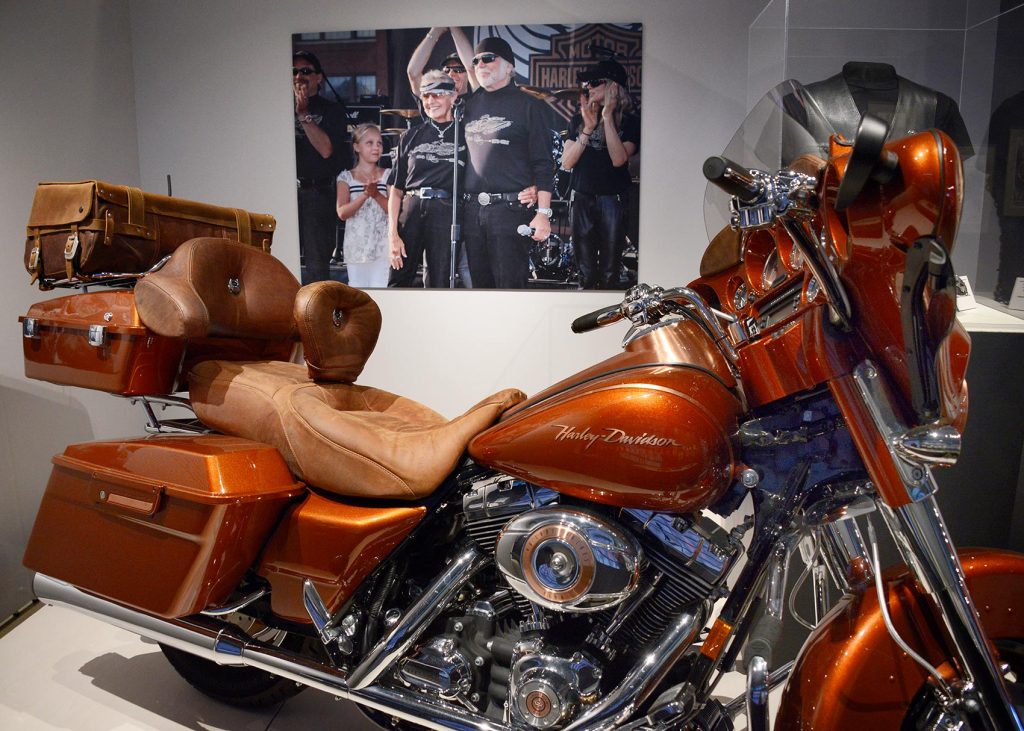
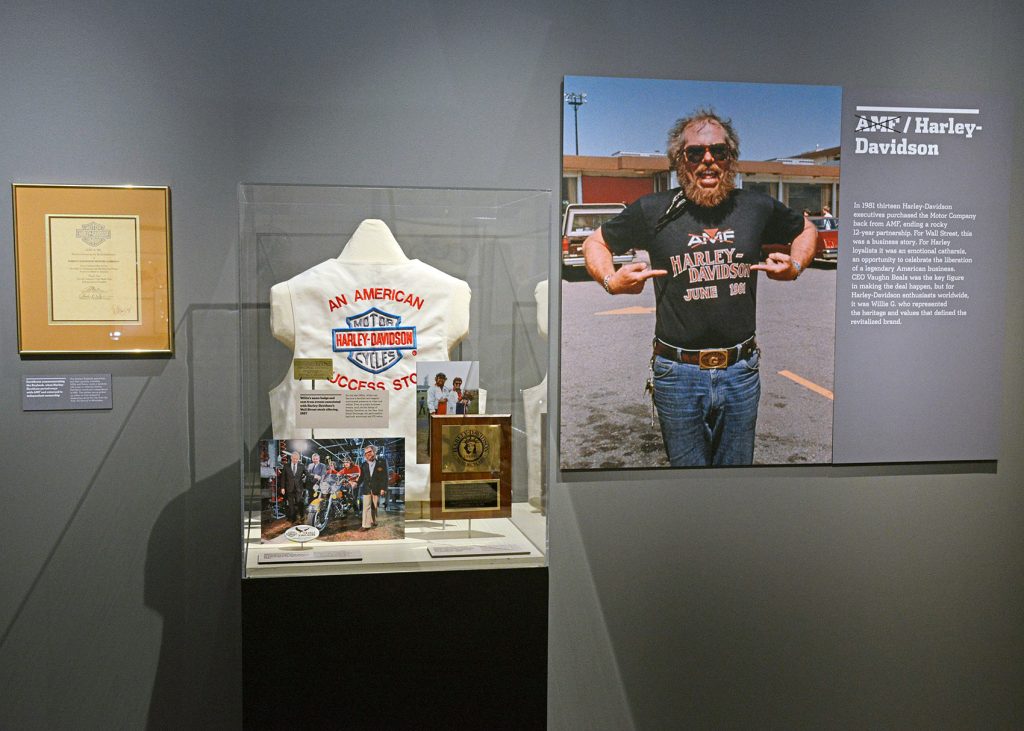
The museum’s team has also presented special exhibits with loaned artifacts that come into the staff’s care for a little while. These exhibits – which run for a short period – present topics that are sometimes specific to motorcycles, such as the 2015 retrospective exhibit on the career of Willie G. Davidson. Filled with items loaned from the personal collection of the legendary designer and company executive, it tracked his life from boyhood, growing up around the Motor Company, to his iconic designs and the influences that inspired him.
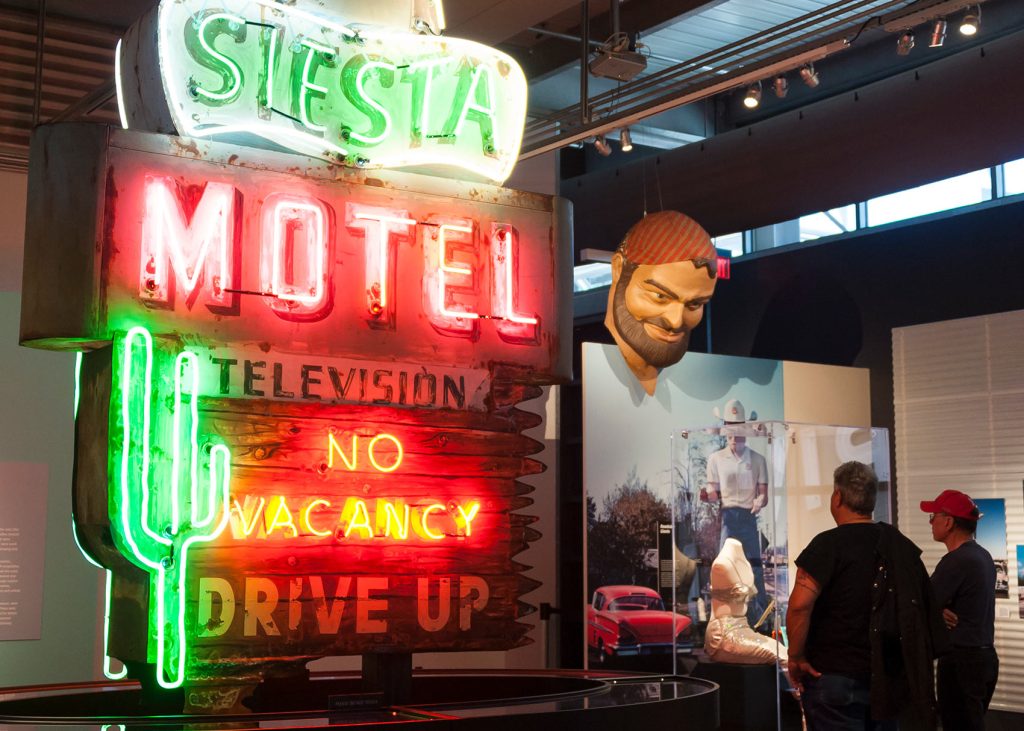
Other special exhibits explored topics that connected motorcycling to larger culture. In 2014, “The American Road” explored the origins of the road trip and roadside Americana. It included a 3.3-metre-tall neon motel sign and a 1930s house car – an early ancestor of the now ubiquitous RV.
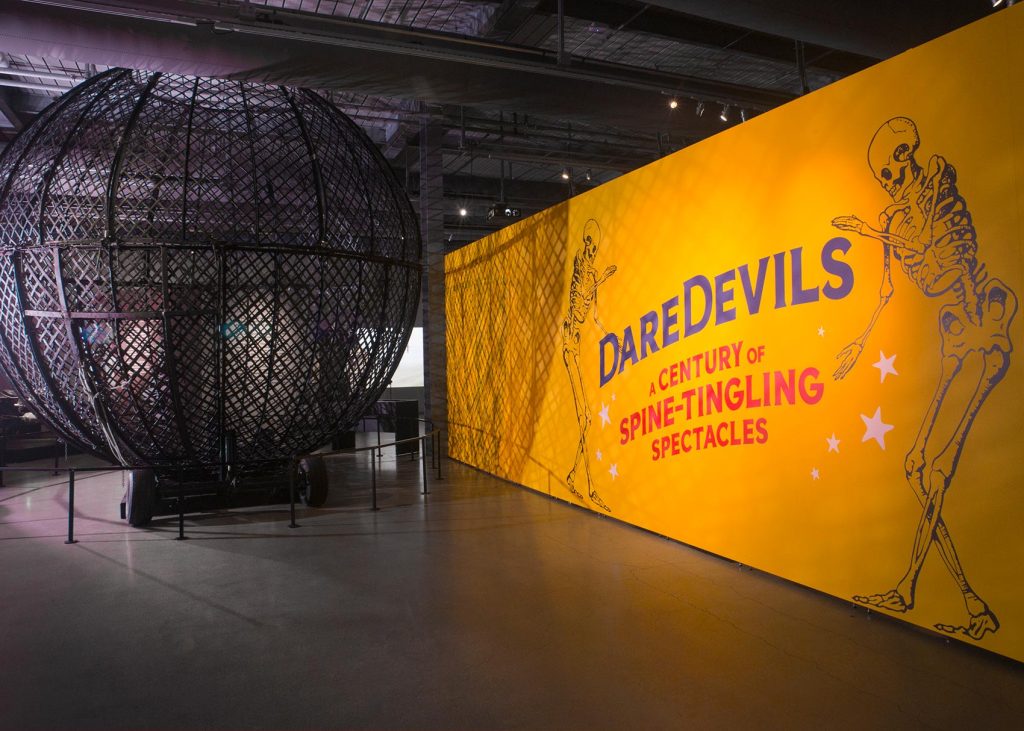
“Daredevils,” an exhibit in 2019, told guests about the origins of death-defying motorcycle performances. That exhibit included a very old and very large family heirloom: a four-metre-tall iron Globe of Death. Loaned by Erwin Urias and his family, it had been built by his great-grandfather in the 1910s in Brazil and travelled from South America to North America as the family moved north.
The Harley-Davidson Museum exhibits are not static; although sometimes the change comes slowly, other times it happens in a flash. There have been photography exhibits that plumb the depths of the archives collection, show off custom culture, and discuss how a new model is designed, engineered and built. After all, this is the Harley-Davidson Museum. Since you keep rolling, we do, too. Ride on!
Tags:
Read more tales from the Harley Owners Group!

Riding With Purpose
Roxy Vardouniotis’ path into motorcycling reveals how confidence, freedom and belonging are often found on the open road

Destination Challenges: A New Benefit for HOG Canada Members
Lifetime HOG rider sets out to complete all 10 challenges as the program launches nationwide
