In pursuit of speed
Celebrating 55 years since Cal Raybornâs record-setting Bonneville run.
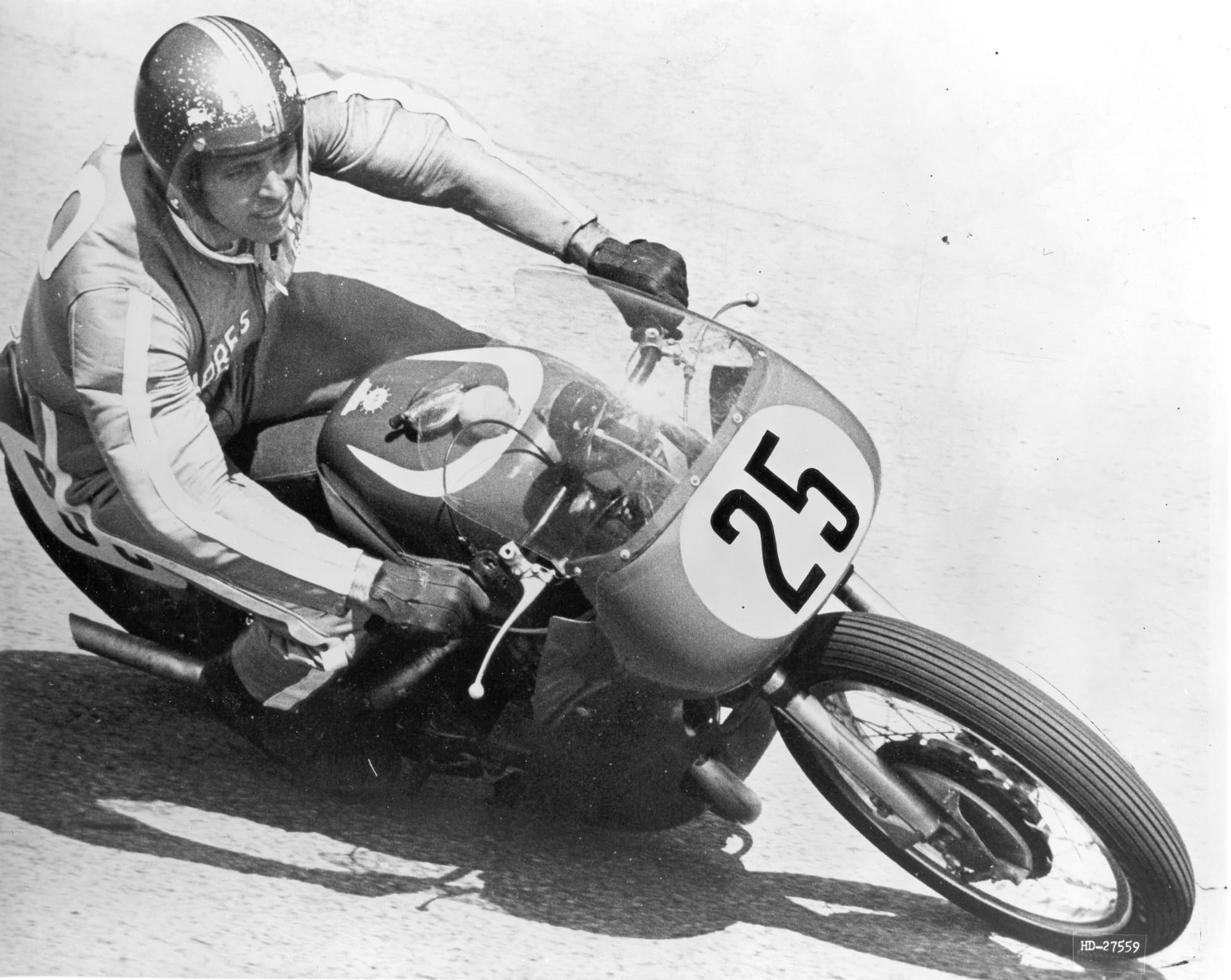
Since the invention of the motorcycle, riders, engineers and manufacturers have been united in the pursuit of speed. From Glenn Curtissâ 64 mph in 1903 to the current record of 376.363 mph, the motorcycle land speed record has a long history. Harley-Davidson has made its own mark on this history, and one notable example is Cal Raybornâs 1970 record set with a single-engine Sportster® Streamliner.
Cal began riding motorcycles when he was just eight years old, and by 16 was participating in scrambles in San Diego. Self-described as âwild and woolly,â Cal frequently crashed. His first professional road race, held in Riverside, California, in 1958, nearly ended in tragedy when he tried to beat another rider at a turn and hit a bank on the side of the road and was thrown into the air. Â With a broken foot and back, he spent six months in casts.

Calâs career was marked by impressive speed, daring, and determination. He set a new record to win the 100-Mile National Championship Road Race in Loudon, New Hampshire, in 1968, beating the former record of 26:01 by five minutes. He was the first racer to average over 100 mph at Daytona, which he won in both 1968 and 1969. Following a crash at Ascot Park in 1966, with a cast on his leg and doctorâs orders not to race again for a month, Cal cut the cast off himself and won a race at Carlsbad the next weekend. A year later at Carlsbad, he crashed while leading, re-entered the race, and finished without brakes. His fearless determination made him perfectly suited to pursue the motorcycle land speed record.
From 1966 to 1970, the motorcycle land speed record was held by Bob Leppan. To beat the 245.667 mph record, engineers Dennis Manning and Warner Riley created a 16-foot streamliner powered by a single Harley-Davidson Sportster engine. The streamliner chassis was designed and built by Manning, while Riley prepared the engine, modified to an 89 cubic inch displacement running on a fuel mixture supplied by George Smith of Viola, Wisconsin. The engine was mounted directly in front of the rear wheel with a chain drive.Â


To fit in the streamlined Sportster, Cal rode nearly horizontal. With the front tire ahead of him, his forward vision was minimal, and he used clear plastic panels on either side of the wheel to watch the black stripes marking the edges of the track. Small, pneumatically operated skids in front of the rear wheel kept the streamliner balanced while stationary and at low speeds â âlowâ being 100 mph! Cal retracted them as the streamliner picked up speed and extended them as the bike slowed after the run, leaning to the side to âfeel for the skidâ. After one early run, the skid failed to fully extend, and when Cal leaned to find the skid, it dug into the salt. The rear wheel lifted, and the streamliner was thrown into a series of barrel rolls at around 100 mph. Fortunately, Cal escaped injury and was back in the cockpit for another practice run after the crew worked through the night and the next day to repair the damage.
By the time Cal took his official turn on the salt flats, there was a new record to beat. Just a couple of weeks earlier, Don Vesco had become the first motorcyclist with a successful run over 250 mph, setting a record of 251.924 mph with a double-engine Yamaha streamliner. Undaunted, Cal took to the salt on October 15 and set a new world record of 255.380 mph. But even this was not enough for him, and the team returned the next day for another try. With a south run of 266.785 and a return of 264.200, Cal rocketed to his second land speed record in two days, with a final speed of 265.492 mph.
Don Vesco topped the record in 1974 with a speed of 281.702 mph. Tragically, Cal would never get the chance to reclaim the title. In December 1973, he was killed during a race in New Zealand when a borrowed Suzuki seized, and he was thrown into a wall during a turn. His death was a shocking loss for the motorcycling community, and he is remembered as one of the greatest road racers in the sportâs history.
Tags:
Read more tales from the Harley Owners Group!
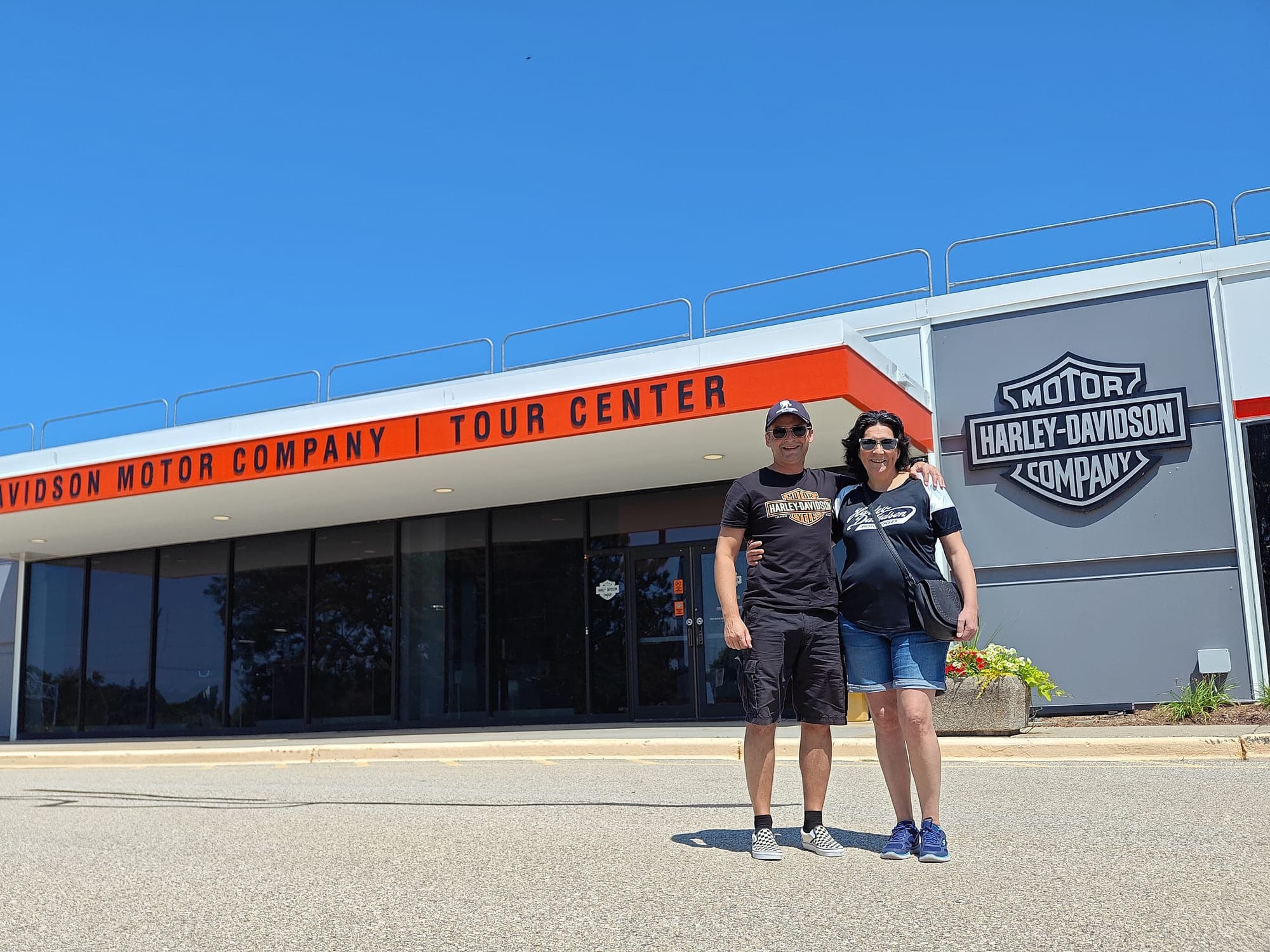
Realising the dream of visiting the Harley-Davidson Museum in Milwaukee
A couple from Burgos achieved a lifelong dream by making the pilgrimage to the Harley-Davidson Museum in Milwaukee.
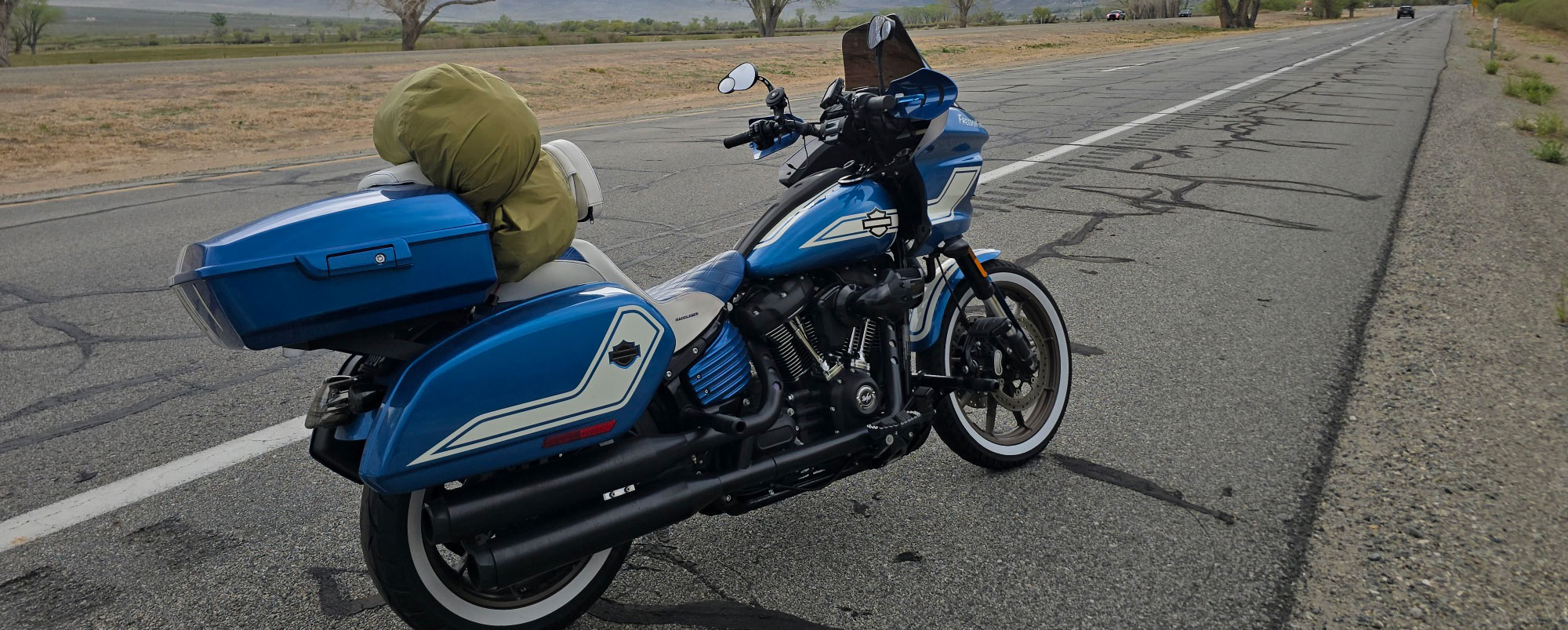
Taking the long way aroundâ¦
A trip to see old friends turned into an epic trip across the country for Harley Owners Group member Arnold Evanson.
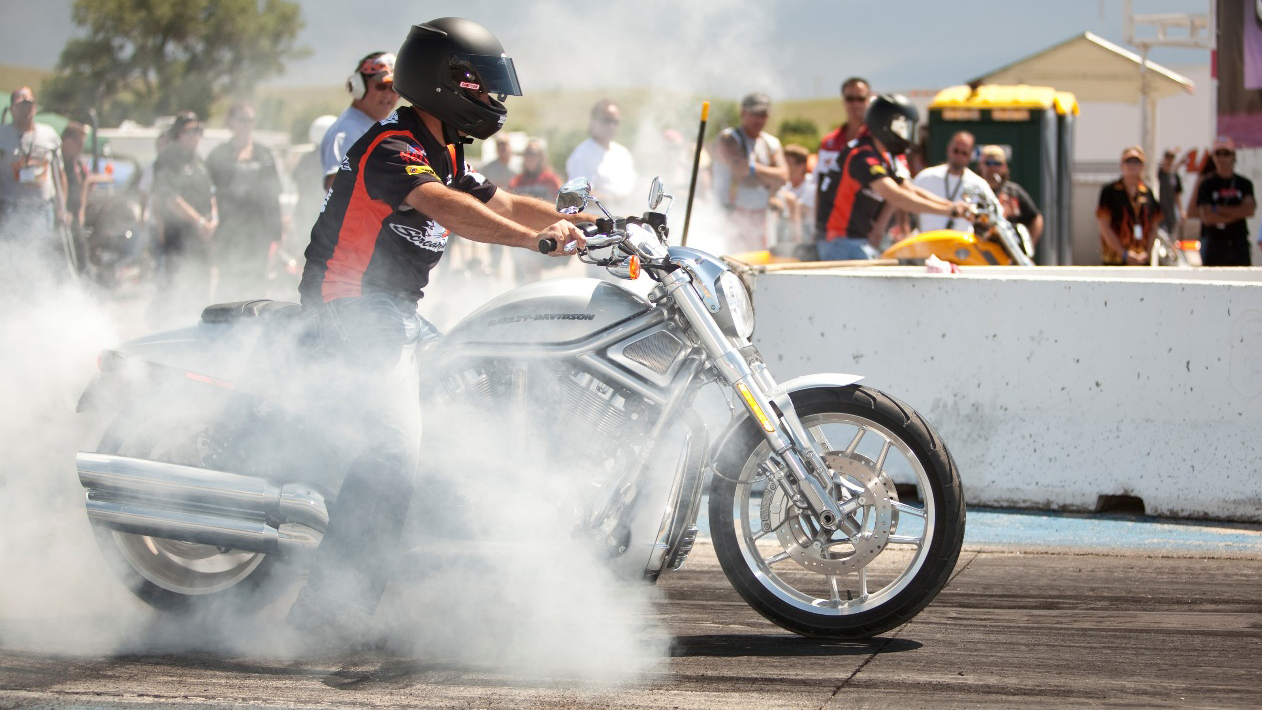
Harley-Davidson’s racing history: Part two
In this second round-up of highlights from the Motor Companyâs racing history, we meet some new rising stars who carry the brandâs success into the 21st century.